Hotter, drier climates are emerging in many parts of the world, including South Australia. To protect biodiversity under these new conditions, we need to understand the environmental tolerances of species and develop innovative solutions. As part of the new Adelaide University, I will be working with an outstanding team to supervise three projects that aim to help biodiversity survive in hotter, drier climates.
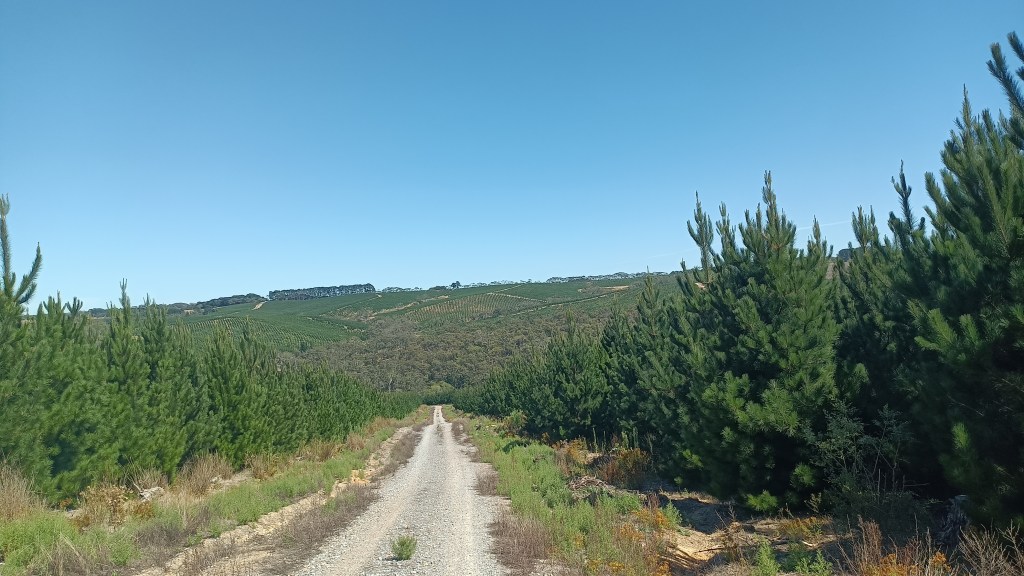
The ReBird the Ranges project aims to take nature positive action to restore bird populations and habitat across the Mount Lofty Ranges, the mountain range north and east of Adelaide (Figure 1). To achieve this goal in the long-term, it is essential to have habitats that will remain suitable for birds under climate change. The project Climate-resilient Mount Lofty Ranges: supporting plant biodiversity under heat, drought, and fire extremes is one of five projects supported by a Bob Croser Woodland Recovery Supplementary Scholarship to help make that happen. The project will investigate the tolerances of plant communities in the Mount Lofty Ranges (MLR) to heat, drought, fire, and invasive species. The project will gather relevant data from remote sensing and functional traits to relate environmental variation to plant strategies and adaptations, and to identify plant tolerances to these multiple stressors. Outcomes will generate fundamental knowledge and management recommendations for increasing climate-resilience.
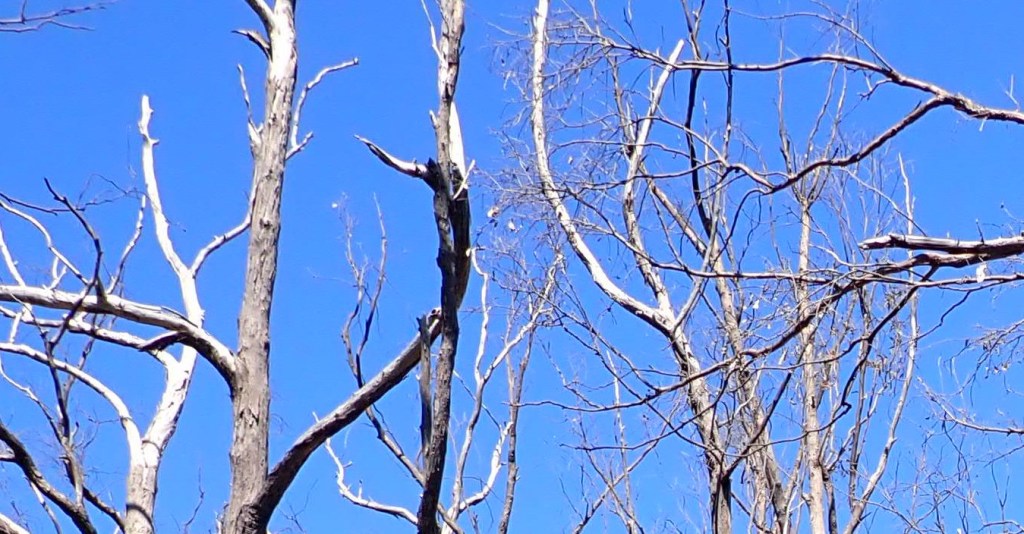
Climate-change-type droughts are hotter and drier due to the impacts climate change. They cause greater water stress in trees, which may lead to stand-level canopy dieback. Trees stressed by drought may also be more vulnerable to subsequent fires (Figure 2), whether they are controlled (i.e., control burns) or not (i.e., wildfires). However, the interactions of drought and fire to affect dieback remain little studied. The project Drought and fire as drivers of tree dieback will build on an existing project on stringybark eucalypt dieback in the Mount Lofty Ranges to investigate the interactions among these two disturbances. A combination of remote sensing and field studies will be used to identify the impacts of fire after the recent (2024/25) drought in South Australia and subsequent prescribed burns.
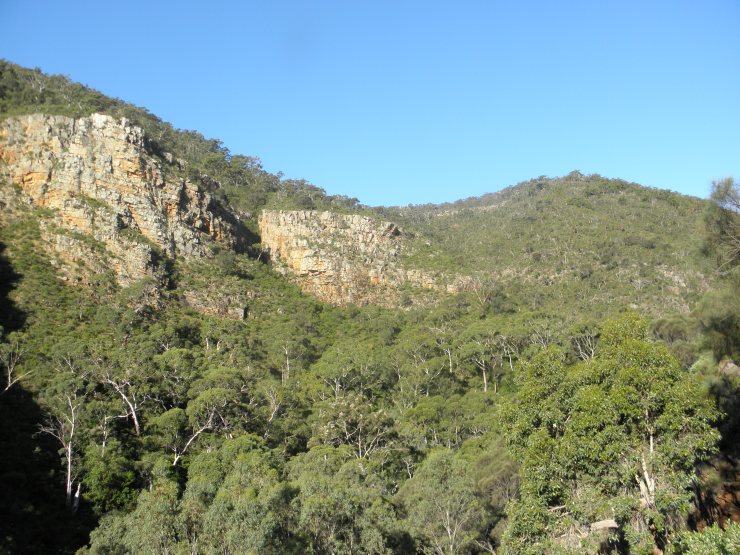
Some components of our planet’s biodiversity ill-suited to withstand climate change. Endemic species are considered particularly vulnerable. Refugia are places that are buffered from the impacts of climate change (Figure 3). They hence offer the best chance of in situ ¬survival for vulnerable species but remain underutilized in conservation. In Mediterranean-type climates, more intense droughts, heat and fires are key threats under climate change. The project Using refugia to protect endemic biodiversity will identify refugia for plants that are endemic to South Australia and considered vulnerable to climate change using modelling of bioclimatic and functional trait data and expert opinion. Skills in spatial modelling of biodiversity and managing large datasets will be beneficial.
All projects will require working with government and non-government entities. Good communication skills, the ability to work in teams, and experience in the R statistical environment are essential. You will be based in a research ecosystems with expertise across terrestrial ecology and conservation. Creating a supportive and inclusive environment in the pursuit of excellence is important to me and constitute core values of our lab group.
To apply, you can look up more information about the project you are interested in here. Please contact me with the project you are interested in and your CV. If your likely supervisory team agree that you are a suitable for the project, we will request further documents required for your application (including academic transcripts, a CV following a required format, and English language test results). Based on these documents, we will then decide whether to interview you.

